Rebuilding Your Life: A Guide to Emotional Resilience After a Breakup
Heartbreak. It's a universal experience, yet each individual navigates its treacherous waters in their own way. The pain of losing a significant relationship can feel all-consuming, leaving you questioning your worth and future. But what if I told you that this pain doesn't have to define you? You possess the inherent strength to not just survive, but to thrive after a breakup. This guide provides a roadmap to build emotional resilience and emerge stronger than ever before.
Understanding the Stages of Grief and Acceptance
Before embarking on your journey to recovery, it's crucial to acknowledge the emotional stages you'll likely experience. Denial, anger, bargaining, depression, and acceptance are not linear steps; you might cycle through them, experiencing some more intensely than others. Allow yourself to feel these emotions without judgment. Suppressing your pain will only prolong the healing process. Journaling, talking to a trusted friend or therapist, or engaging in creative expression can help you process these complex feelings.
Embrace the Power of Self-Compassion
Be kind to yourself. This is perhaps the most crucial aspect of emotional resilience. Avoid self-blame and harsh self-criticism. Remember that breakups are rarely one-sided; they often involve complexities and contributions from both individuals. Practice self-compassion by treating yourself with the same kindness and understanding you'd offer a close friend going through a similar experience. Engage in activities that bring you joy and comfortâ€"whether it's a relaxing bath, reading a good book, or spending time in nature.
Building Your Emotional Resilience Toolkit
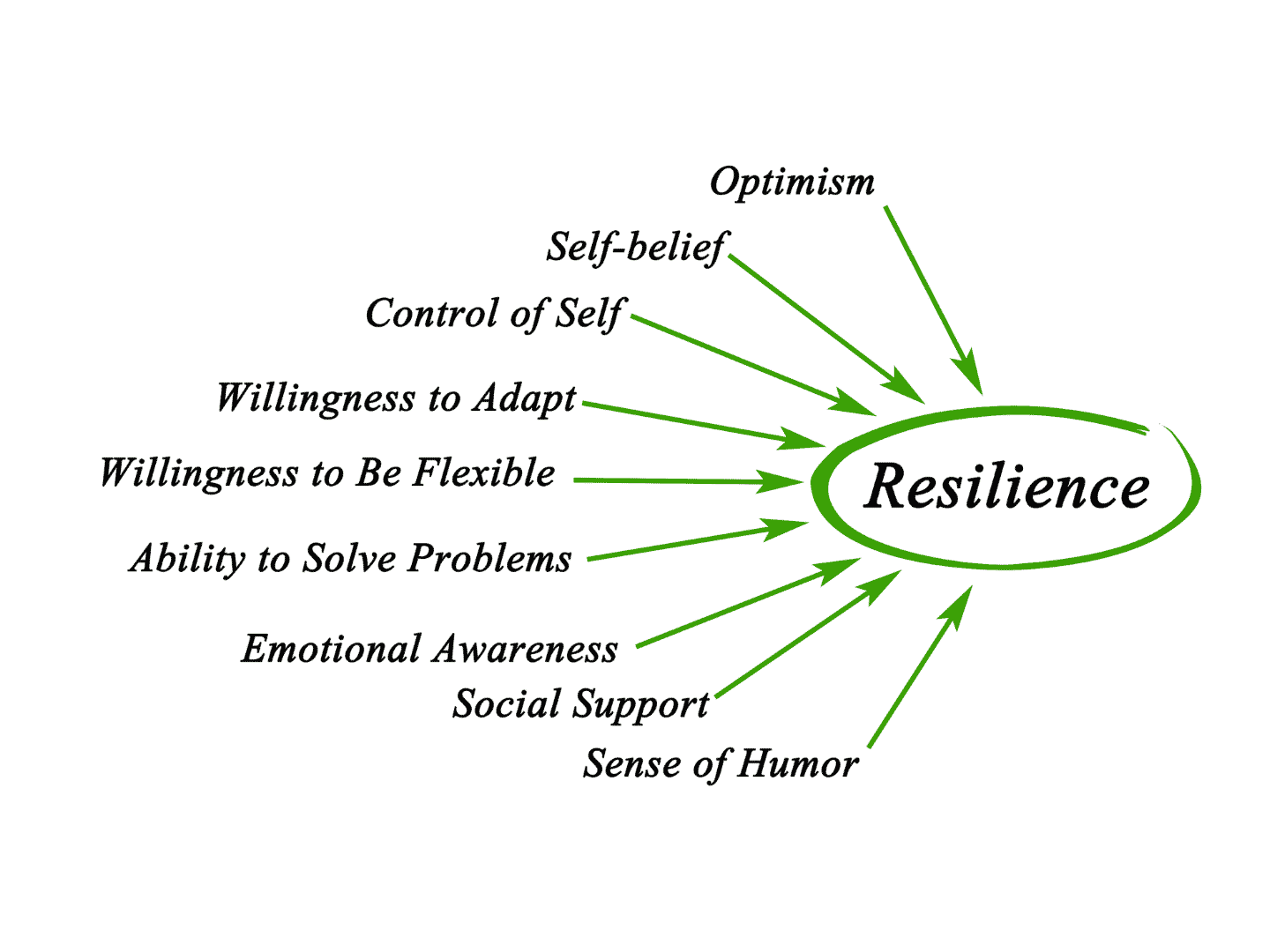
Emotional resilience isn't a passive state; it's an actively cultivated skill. Think of it as building a toolbox filled with strategies to navigate future challenges. These tools will help you weather not only this heartbreak, but any future adversity life throws your way.
Prioritize Self-Care
Self-care is not selfish; it's essential. Prioritize activities that nourish your mind, body, and soul. This includes:
- Regular exercise: Physical activity releases endorphins, boosting your mood and reducing stress.
- Healthy eating: Fuel your body with nutritious foods that provide sustained energy.
- Sufficient sleep: Aim for 7-9 hours of quality sleep each night to allow your body and mind to rest and repair.
- Mindfulness and meditation: Practice mindfulness techniques to stay grounded in the present moment and reduce anxiety.
Reconnect with Your Support System
Lean on your support network. Talk to trusted friends and family members. Share your feelings, and allow them to offer comfort and support. Don't isolate yourself; connection is crucial during challenging times. If you feel overwhelmed, consider seeking professional help from a therapist or counselor. They can provide a safe space to explore your emotions and develop coping mechanisms.
Focus on Personal Growth
Use this time as an opportunity for personal growth. Reflect on the relationship and identify what you learned. What are your needs and desires in a relationship? What are your personal goals and aspirations? This introspection can lead to positive changes and a stronger sense of self. Engage in activities that foster personal growth, such as taking a class, learning a new skill, or pursuing a hobby.
Moving Forward: Embracing Your New Chapter
Healing takes time, and there will be good days and bad days. Be patient with yourself. Celebrate your progress, no matter how small. Remember that this experience, while painful, is an opportunity for growth and self-discovery. You are stronger and more resilient than you think. Embrace your new chapter with courage, optimism, and a renewed sense of self.
Comments
Post a Comment