Navigating the Minefield: Coping with Breakup Triggers and Reminders
Okay, so you've gone through a breakup. Ugh, I know, it sucks. Seriously, it's one of the hardest things to go through, and it's totally okay to feel completely and utterly awful for a while. But guess what? You're not alone, and you *will* get through this. One of the toughest parts, though, is dealing with all those pesky reminders and triggers that seem to pop up everywhere, like landmines in a field of your former happiness. Let's talk about how to navigate this tricky terrain and start feeling better.
Understanding Your Triggers
First things first: you need to identify what your triggers are. This isn't about blaming yourself or your ex â€" it's about understanding your emotional landscape. Think about it â€" what places, songs, smells, activities, or even *people* send you spiraling back to the heartache? It could be anything, really. Maybe it's that specific coffee shop you used to frequent, the song you danced to at your first date, or even the scent of their favorite cologne. Write them down. Seriously, grab a pen and paper (or open a note on your phone) and make a list. The more specific, the better.
Identifying Physical Triggers
Sometimes, the triggers are very tangible. That sweater they left at your place? Their toothbrush still in the holder (oops!)? These are *major* triggers, and the best solution is often simple: get rid of them. Donate, toss, pack away â€" whatever works for you. Out of sight, out of mind (at least a little bit).
Identifying Emotional Triggers
These are a little trickier. Emotional triggers might be linked to specific memories, conversations, or even certain *types* of situations. For example, maybe seeing couples holding hands makes you feel a pang of loss. Or perhaps seeing posts about relationships on social media sets you off. Recognizing these emotional triggers is key to managing them effectively.
Identifying Social Triggers
Let's not forget about social triggers. Seeing your ex's friends, running into them at the grocery store, or even hearing about their new life through mutual acquaintances â€" these interactions can be unexpectedly painful. It's important to be prepared for these encounters and develop strategies to cope.
Strategies for Coping with Triggers
Now that you've identified your triggers, it's time to develop strategies for dealing with them. This isn't about avoiding everything forever; it's about managing your reaction so you don't get completely derailed.
Avoidance (Temporarily!)
Yes, sometimes avoidance is a good strategy â€" at least in the short term. If you know seeing a particular person or going to a specific place will send you into a tailspin, avoid it for a while. This isn't about running away from your problems, but about giving yourself space to heal.
Mindfulness and Self-Soothing
When a trigger hits, try practicing mindfulness. Take a few deep breaths, focus on your physical sensations (what do you feel in your body?), and acknowledge your emotions without judgment. Then, engage in self-soothing activities. This could be anything that helps you relax: listening to calming music, taking a warm bath, cuddling with a pet, or even just spending a few minutes in nature.
Reframing Your Thoughts
A big part of dealing with triggers is changing how you think about them. When a painful memory surfaces, challenge negative thoughts. For instance, instead of thinking, "I'll never find love again," try something more realistic and positive, like, "This hurts right now, but I'm strong, and I'll get through this. There are amazing people out there for me."
Building a Support System
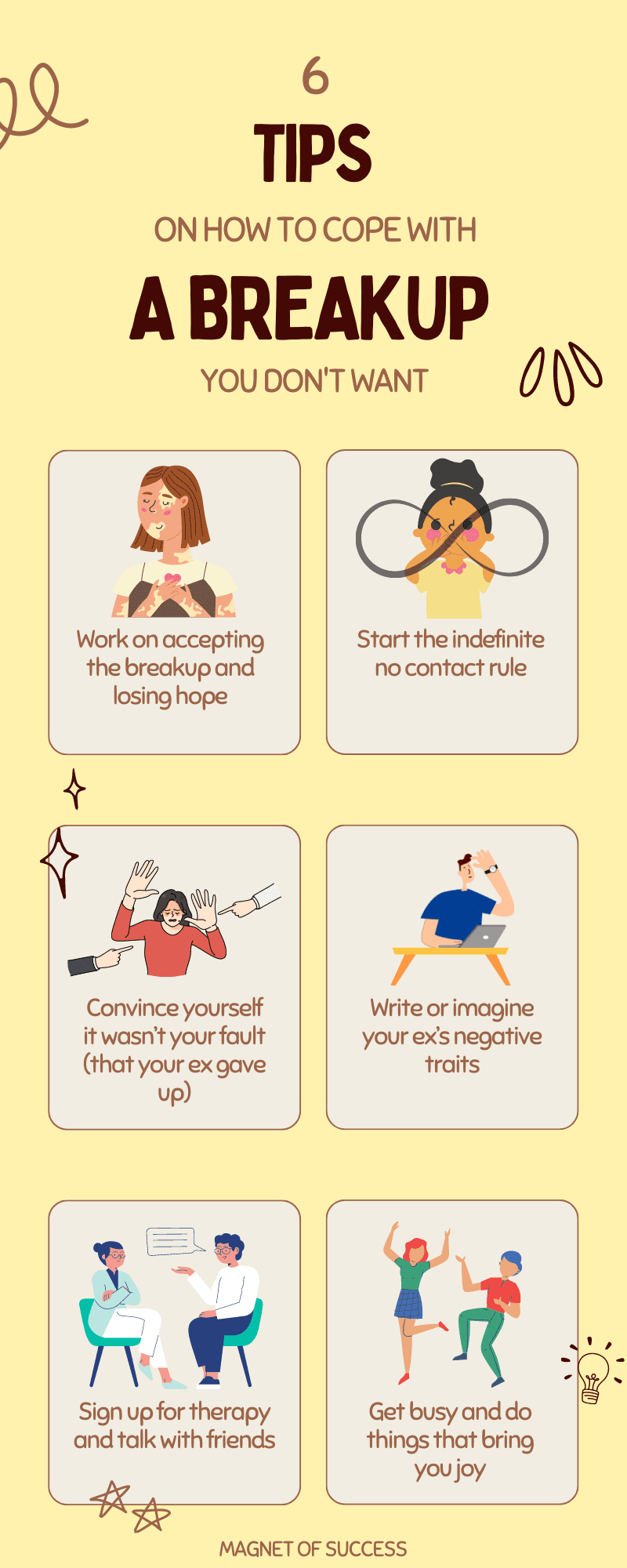
Lean on your support system! Talk to trusted friends, family, or a therapist. Sharing your feelings and experiences can help you process them and feel less alone. Don't be afraid to ask for help â€" it's a sign of strength, not weakness.
Self-Care is Key
Seriously, prioritize self-care. This isn't a luxury; it's a necessity. Make sure you're getting enough sleep, eating healthy food, exercising (even a short walk can make a difference!), and engaging in activities that bring you joy. This will help boost your mood and resilience.
Professional Help
If you're struggling to cope with your breakup triggers on your own, don't hesitate to seek professional help. A therapist can provide you with tools and strategies to manage your emotions and move forward.
The Long Game: Healing and Moving On
Healing from a breakup takes time. There will be good days and bad days, and that's okay. Be patient with yourself, celebrate your progress, and remember that you are worthy of love and happiness. Over time, those triggers will lose their power. You'll find yourself thinking about them less and less. You might even find yourself laughing about some of them someday. It's a process, but you'll get there.
Commonly Asked Questions
- Q: How long does it take to get over a breakup? A: There's no magic timeline. Everyone heals at their own pace. Be patient with yourself and don't compare your journey to others.
- Q: Should I avoid all contact with my ex? A: Generally, it's best to minimize contact, especially in the early stages of healing. However, if you have shared responsibilities or children, some level of communication may be unavoidable. In these cases, keep it brief and businesslike.
- Q: What if I keep having the same triggers over and over again? A: If you're finding that certain triggers consistently overwhelm you, it's a good idea to seek professional support. A therapist can help you develop more effective coping mechanisms.
- Q: Is it normal to feel angry or resentful after a breakup? A: Absolutely! It's perfectly normal to experience a range of emotions after a breakup, including anger, sadness, resentment, and even relief. Allow yourself to feel these emotions without judgment.
- Q: How do I know when I'm ready to start dating again? A: You'll know when you feel genuinely ready to move on. You'll have processed your emotions, you'll feel comfortable and confident in yourself, and you'll be looking for a relationship for the right reasons â€" not to fill a void or replace your ex.
Remember, you're stronger than you think. You've got this.
Comments
Post a Comment