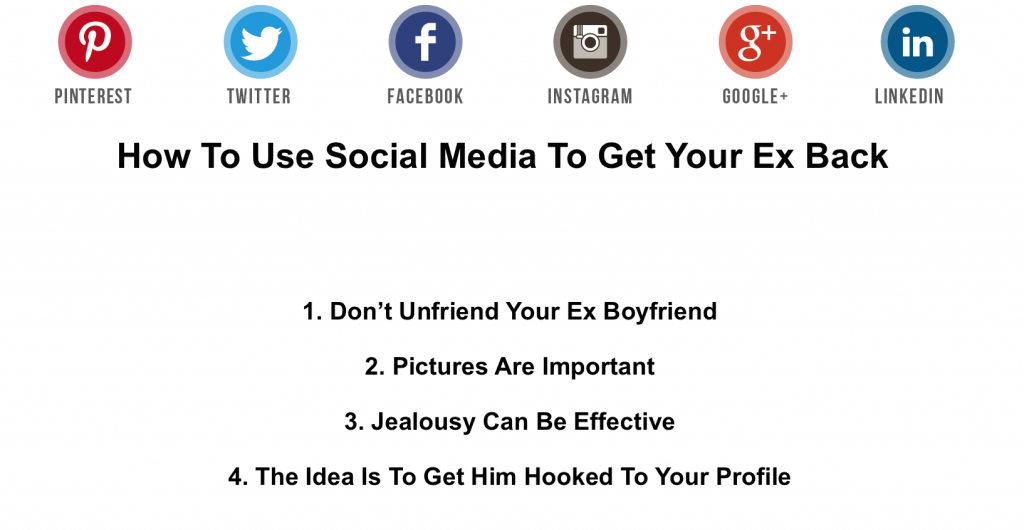
Reclaiming Connection: A Strategic Approach to Social Media in Reconciliation
The digital age presents both challenges and opportunities for individuals navigating the complex landscape of relationship reconciliation. Social media, while often a source of contention during a breakup, can, when strategically employed, become a valuable tool in the process of rekindling a connection with an ex-partner. This approach requires careful planning, self-awareness, and a deep understanding of both social media etiquette and the nuances of human relationships. This document outlines a measured and responsible strategy for leveraging social media in a bid to reconcile with a former partner.
Phase 1: The Strategic Withdrawal and Self-Reflection
Before even considering re-engaging with your ex on social media, a period of strategic withdrawal and self-reflection is crucial. This isn't about ignoring your ex; rather, it's about focusing on personal growth and demonstrating maturity. Impulsive actions on social media can easily damage any potential for reconciliation.
Understanding the Breakup's Dynamics
Begin by honestly assessing the reasons for the breakup. What were the contributing factors? What role did you play? Identifying your shortcomings and demonstrating a genuine willingness to address them will be critical in your efforts to reconnect. This self-awareness is the foundation upon which a successful reconciliation strategy is built. Avoid blaming your ex or dwelling on the past; instead, focus on areas for personal improvement.
The Importance of a Social Media Detox
During this initial phase, consider taking a break from social media entirely, or at least limiting your activity significantly. This allows you to focus on your own well-being and avoid the temptation to engage in behaviors that could hinder your progress. Excessive posting or monitoring your ex's activity can be counterproductive and emotionally draining.
Cultivating Personal Growth
Use this time to focus on personal growth and self-improvement. Engage in activities that enhance your well-being, whether it’s pursuing a hobby, exercising regularly, spending time with loved ones, or focusing on professional development. This demonstrates to your ex, and to yourself, that you're moving forward in a positive direction. The changes you make should be authentic, not solely aimed at impressing your ex.
Phase 2: The Subtle Re-emergence and Positive Projection
After a period of self-reflection and personal growth (at least a few weeks, possibly longer depending on the circumstances), you can begin to re-introduce yourself to your ex's social media sphere subtly. This phase focuses on projecting a positive image of yourself without being overtly attention-seeking.
Strategic Social Media Presence
Begin by updating your profile picture to one that reflects your current positive self-image. Avoid using overly provocative or suggestive images. Keep your profile clean and professional. Choose a profile picture that projects confidence and happiness without being ostentatious. This first impression matters greatly.
Positive Content Strategy
Start posting content that showcases your positive lifestyle and personal growth. This could include pictures of you engaging in hobbies, spending time with friends and family, or achieving professional milestones. Remember, the goal is to present a genuine and appealing image of yourself, not to fabricate a perfect life. Authenticity is key.
Limited Interaction: Liking and Commenting
Once you feel comfortable, you can begin to subtly interact with your ex's posts. Start with likes and occasional, thoughtful comments. Avoid overly effusive comments or anything that could be interpreted as desperate or needy. Your interactions should be genuine and reflect a genuine interest in your ex's life, not just a desire to get back together.
Phase 3: Reconnection and Open Communication (with Caution)
If your ex responds positively to your subtle re-emergence on social media, you can cautiously move towards direct communication. This phase requires careful consideration and a nuanced approach.
Assessing Their Response
Pay close attention to your ex's responses. Are they engaging with your posts? Are they reacting positively? If they are ignoring you or reacting negatively, it's important to respect their space and reassess your strategy. Forcing interaction will likely be counterproductive.
The Transition to Direct Messaging
If the signs are positive, you can consider sending a direct message. Keep it brief, friendly, and non-demanding. A simple “Hey, how are you doing?†or a comment referencing a shared memory can be a good starting point. Avoid lengthy messages or declarations of love at this stage.
Offline Interaction is Key
Social media should serve as a bridge to offline interaction, not a replacement for it. The ultimate goal is to reconnect in person. Suggest a casual meeting, perhaps for coffee or a brief walk, to gauge their interest in a real-world conversation.
Phase 4: Maintaining Boundaries and Respect
Regardless of the outcome, maintaining healthy boundaries and respecting your ex's feelings is paramount. Social media can easily become a source of conflict, so it’s crucial to approach it with sensitivity and respect.
Respecting Their Privacy
Avoid stalking your ex's social media profiles or obsessively monitoring their activity. This can be emotionally damaging to both of you and will likely hinder your efforts to reconnect. Respect their privacy and allow them the space to process their feelings.
Managing Expectations
Reconciliation is not guaranteed, and it’s important to manage your expectations. Don't place all your hopes on social media interaction. Focus on your own well-being and be prepared for the possibility that your ex may not want to reconcile.
Moving On Gracefully
If your efforts to reconnect are unsuccessful, it's important to accept the situation and move on gracefully. Avoid engaging in negative or hurtful behavior on social media. Unfollowing or unfriending your ex may be necessary to protect your emotional well-being. Remember, your happiness and self-respect are paramount.
In conclusion, social media can be a useful tool in the process of reconciliation, but it should be approached strategically and with careful consideration. Prioritizing self-reflection, personal growth, and respectful communication will significantly increase your chances of success. Remember that genuine connection comes from offline interactions and a willingness to address the underlying issues that contributed to the breakup. Social media should serve as a supplement to, not a replacement for, real-world interactions and genuine efforts towards reconciliation.
Comments
Post a Comment